
Seed preparation
Elecampane seeds are small, slender achenes with a tuft of hairs. Rub off the hairs gently if they make the seed clump, and sow thinly.
Herb growing guide
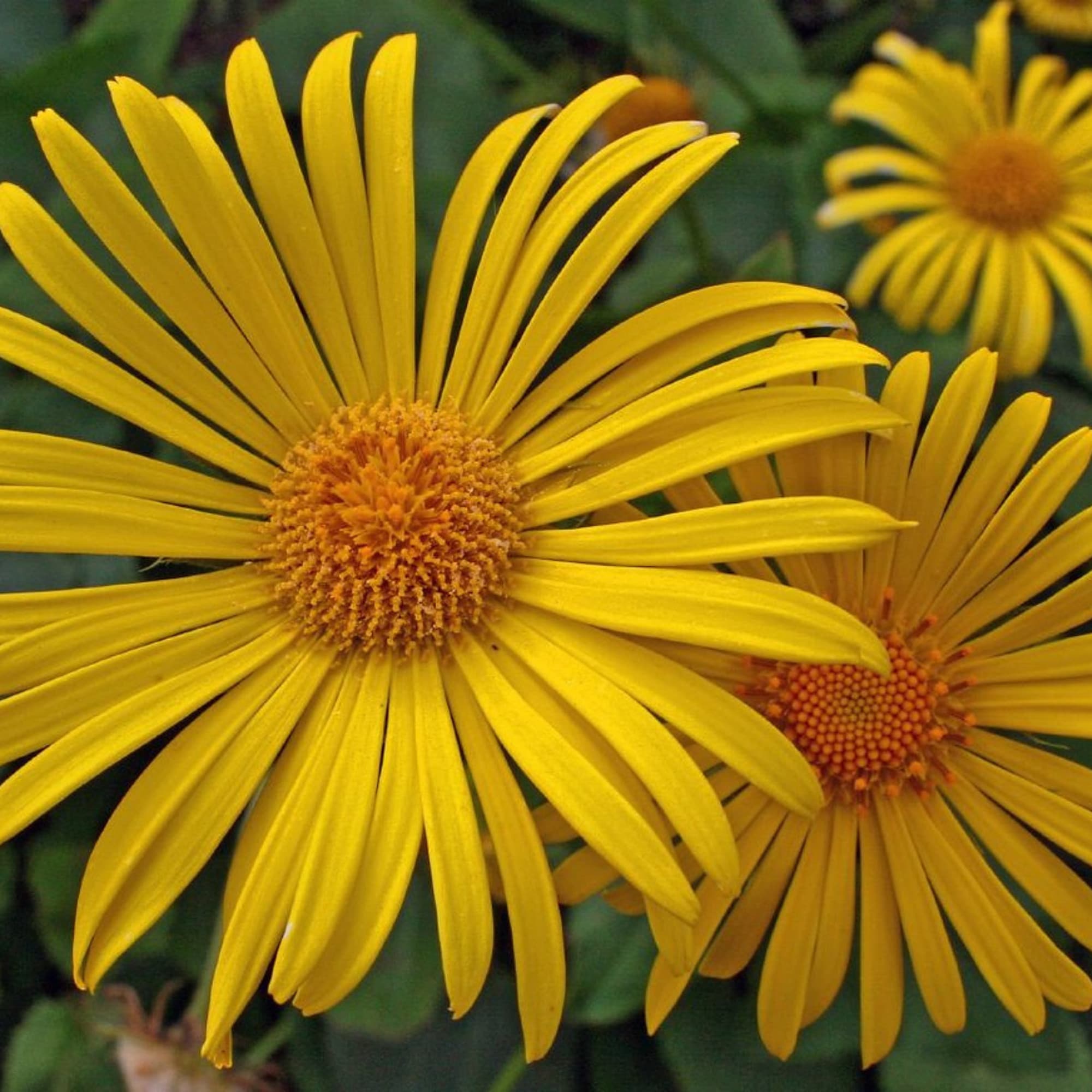
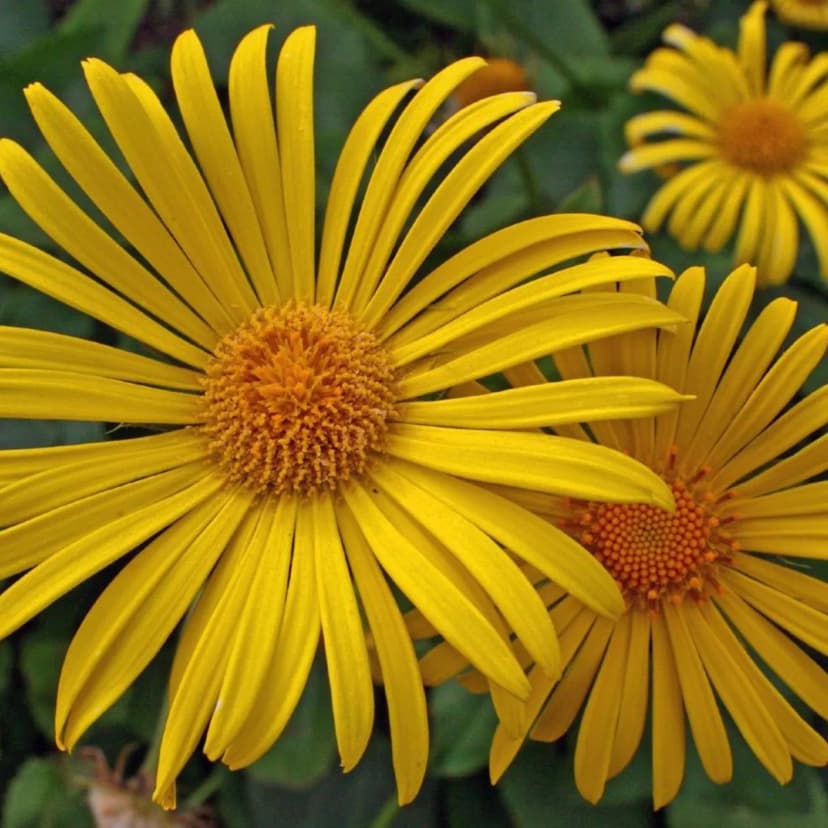
Elecampane is a tall, long-lived perennial with huge leaves and yellow daisy flowers on stems up to 1.8 m (6 ft). The seed needs light and warmth, and plants flower after their first winter.
Elecampane seeds are small, slender achenes with a tuft of hairs. Rub off the hairs gently if they make the seed clump, and sow thinly.
Not needed. Up to 90% of seed germinated without any treatment in tests.
Not needed for germination. The plant itself needs a winter chill before it flowers, which is why it blooms from its second year.
Not needed. Soaking makes the light, hairy seed hard to sow.
In tests the best result came from about 30 °C (86 °F) for 8 hours and 20 °C (68 °F) for 16 hours, like a warm day and a mild night. Sow indoors in spring or outdoors when the soil is warm. In India sow in the hills in spring; on the plains sow after the monsoon so young plants grow through the cooler months.
Press the seed onto the surface of moist compost and leave it uncovered or cover with a very thin layer of vermiculite.
Fine, free-draining seed compost in trays or modules.
Keep the surface evenly moist; cover the tray with clear film or glass until seedlings appear, then remove it.
Give the tray light from the start: seed germinated best when light was available.
Seedlings usually appear in about 1-2 weeks at good temperatures; sowings in cool conditions are slower and less even.
Prick seedlings out into individual pots at 2-3 true leaves, as the legacy guide says, and grow them on in good light.
Plant out after the last frost, 60-90 cm (2-3 ft) apart: plants grow 0.6-1.8 m (2-6 ft) tall and 60-90 cm (2-3 ft) wide.
In the first season plants form a large rosette of leaves. Flowering stems follow after a winter chill, from mid-summer to early autumn.
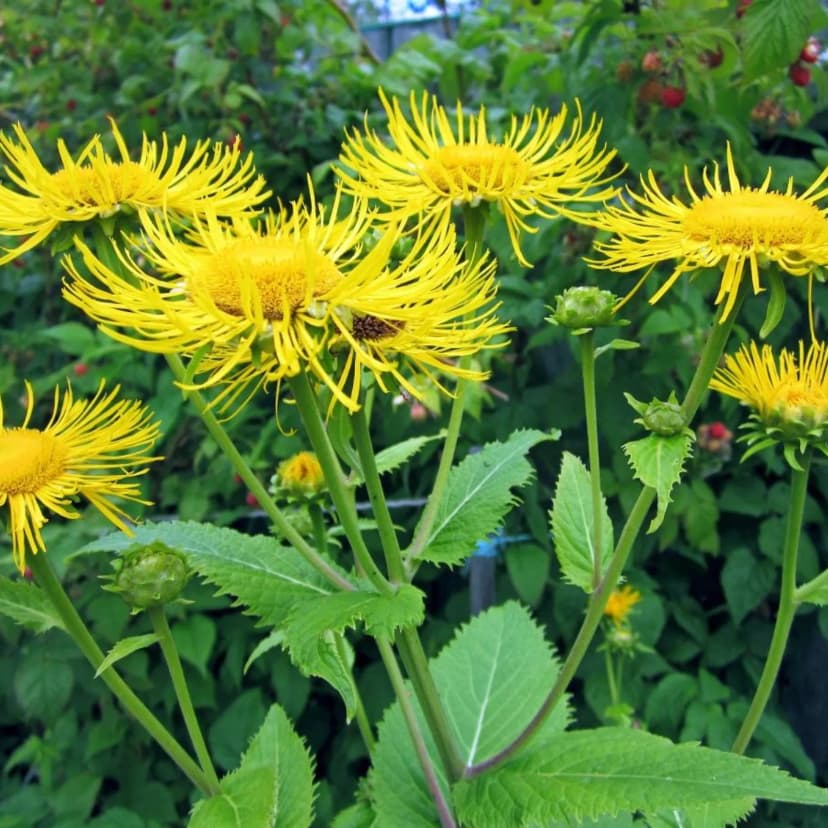
Full sun is best; it tolerates partial shade. Give it the back of a border, as plants reach up to 1.8 m (6 ft).
Moist, well-drained clay or loam with acid to neutral pH. Work in compost before planting.
Elecampane is very hardy (USDA zones 3-7) and suits temperate and hill climates. Hot, humid lowlands are a poor fit.
Little feeding is needed; a mulch of compost each spring is usually enough, as the legacy guide's advice of light feeding suggests.
Roots are dug in autumn or early spring, as the legacy guide says. Shake off the soil, cut away the top growth and wash the roots in cold water.
Surface-sow elecampane in a warm, light spot for a tall, long-lived perennial with bright yellow flowers.
On the surface. The seed germinates best with light, so press it into moist compost and cover only with a dusting, if at all.
It needs a cold period before it flowers, so first-year plants only make leaves. Expect flowers in the second summer.
Well. In a long-term study, seed stored dry in an unheated room stayed viable for up to seven years.
