Free EMS courier delivery across India
Cashew Seeds (Anacardium occidentale) plant

Nut tree growing guide

How to grow cashew from seedAnacardium occidentale

Cashew is easy to raise from fresh seed nuts in a warm, frost-free climate: soaked nuts sown stalk end up usually sprout in one to three weeks. This guide follows Kerala Agricultural University's nursery method and covers planting, frost and the pests that matter.

7-10 days
Germination
2-3 cm
Sowing depth

At a glance

Germination temperature
Warm tropical weather; cashew is killed by frost. Sow in the hot pre-monsoon season.
Sowing depth
2-3 cm (3/4-1 1/4 in), stalk end up.
Germination time
7-10 days in dry weather, 15-20 days in the monsoon.
Light
Not needed to germinate; full sun for trees.
Pre-treatment
Soak seed nuts in water for 18-24 hours (overnight at least).
Transplant or direct sow
Sow one nut per polybag, plant out at the start of the monsoon.

Seed preparation

Seed preparation

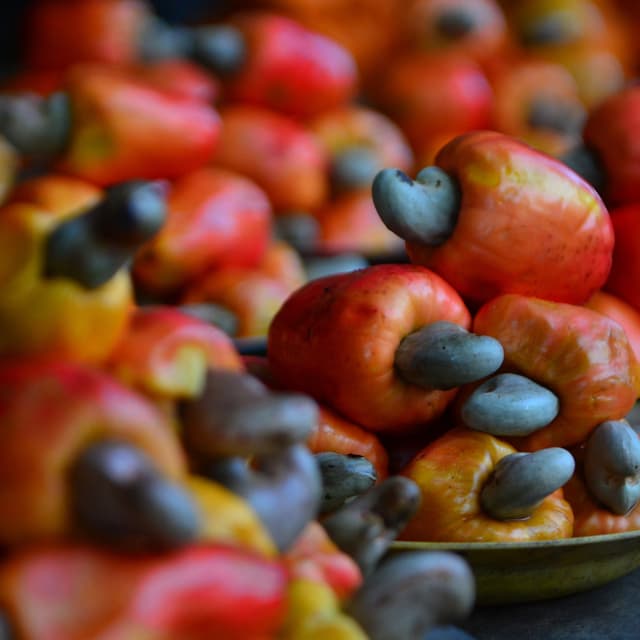
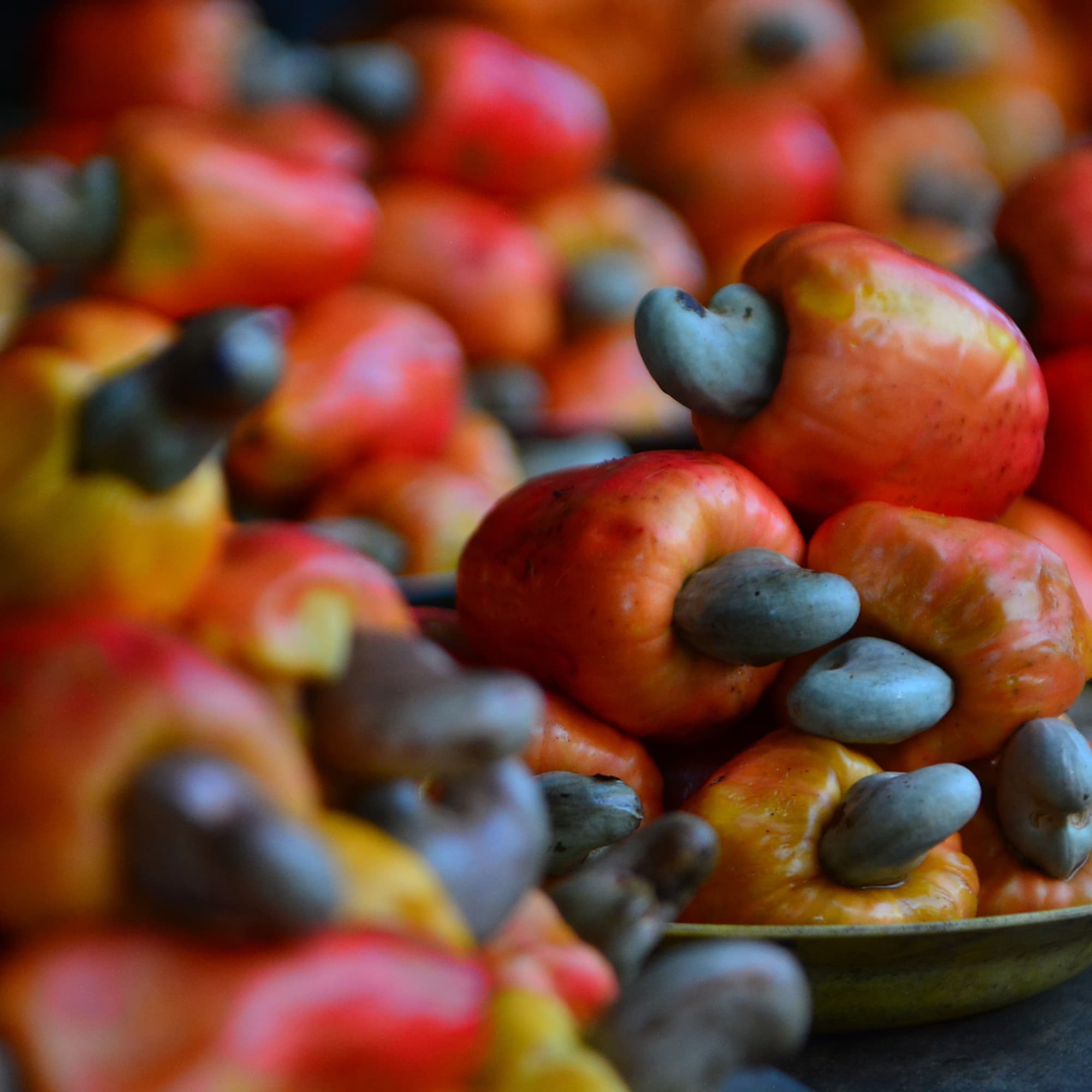
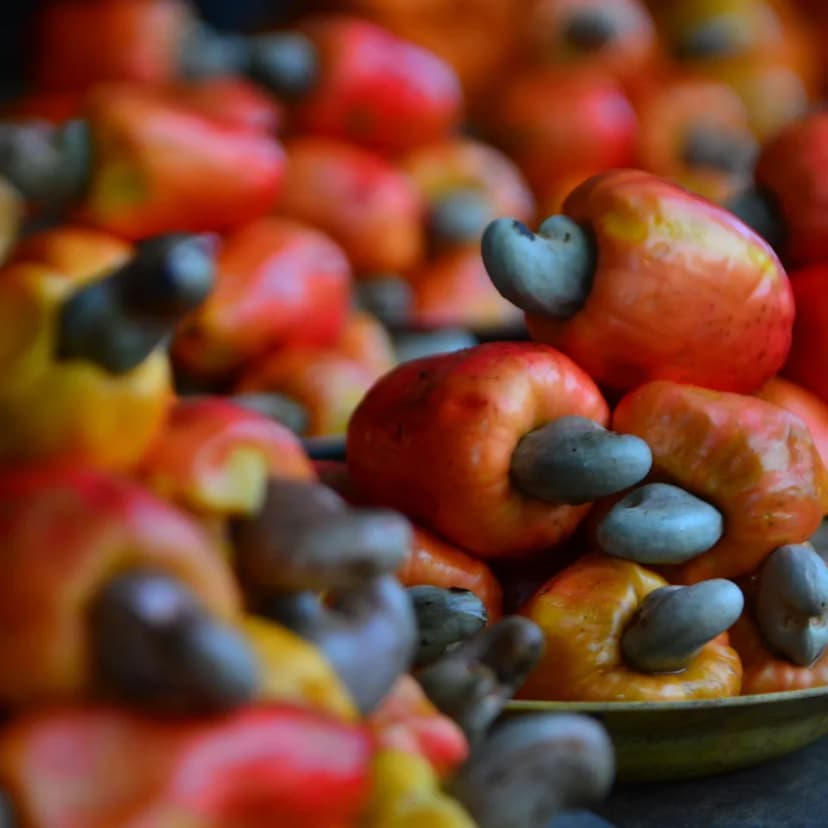
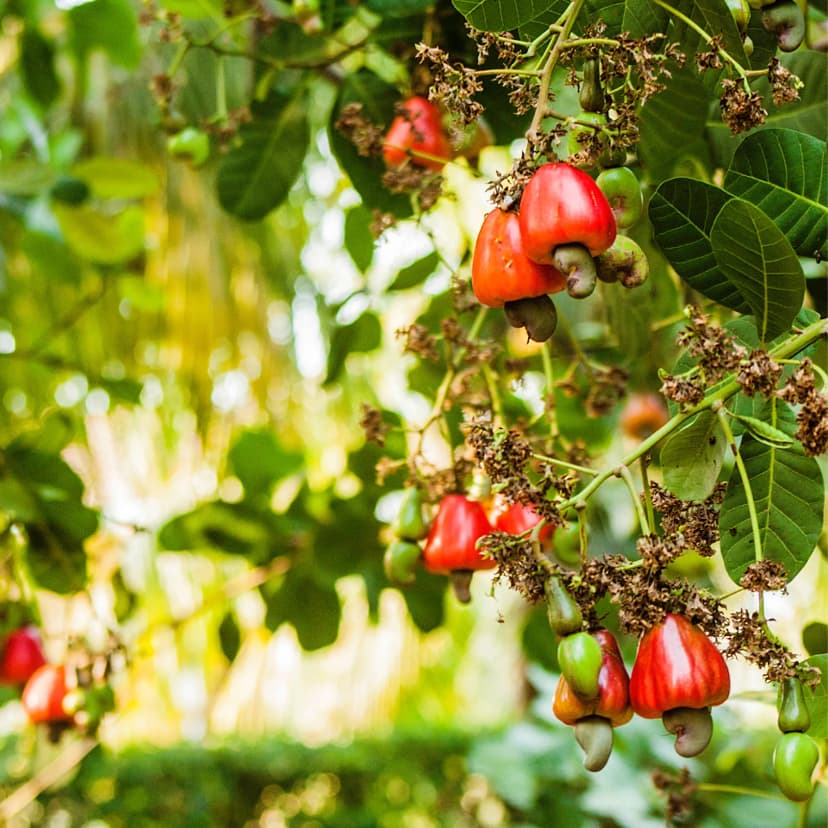
Sow raw, unroasted nuts still in their shell. Kerala Agricultural University (KAU) selects mature, medium-sized nuts that sink in water after 2-3 days of sun drying and rejects floaters. Use nuts less than a year old: World Agroforestry reports that open-stored seed falls to 50% viability after 10 months and is dead after 13-14 months. The shell contains a poisonous oil, so do not crack or bite it and wash hands after handling.
Scarification

Not needed. Soaking is enough to start germination.

Stratification

Not needed. Cashew is a tropical tree with no chilling requirement.

Soaking

Recommended. KAU soaks seed nuts for 18-24 hours before sowing seedlings, and overnight for nuts raised as grafting rootstock.

Cashew Seeds (Anacardium occidentale)

Germination conditions

Germination temperature

Sow in warm weather. KAU sows in May in Kerala; World Agroforestry lists a mean annual temperature range of 17-38 °C (63-100 °F) for the species and notes that frost is harmful. In cooler countries keep pots in a heated greenhouse or warm room.

Sowing depth

2-3 cm (3/4-1 1/4 in) deep, one nut per bag with the stalk end facing up.

Growing medium

KAU fills 25 x 15 cm (10 x 6 in) polybags with 16-20 drainage holes with red soil, river sand and compost 1:1:1; for simple seedlings garden soil in 20 x 15 cm (8 x 6 in) bags is used.

Moisture

Water right after sowing and then daily, but avoid excess irrigation; damping-off is a known seedling disease.

Light

No light needed to germinate. Put the bags in full sun once seedlings emerge.

Germination time

KAU reports 7-10 days for soaked seed, 8-10 days in dry months and 15-20 days in the monsoon.

Transplanting and first growth

  1. Transplanting

    Seed-grown cashew forms a strong taproot, so raise it in bags and plant out young without breaking the root ball. KAU plants in 50 x 50 x 50 cm (20 in) pits in June-July, 7.5 m (25 ft) apart on poor soils and 10 m (33 ft) on rich, deep or sandy coastal soils.

  2. First growth stage

    Keep weeds down in the dry months to save soil moisture for young plants. Seedlings raised as rootstock are ready for softwood grafting 50-60 days after germination; grafts are planted at 5-6 months with the union about 2.5 cm (1 in) above the soil.

Cashew Seeds (Anacardium occidentale)

Common problems

ProblemNuts fail to sprout
Cause
Old or light nuts.
What to do
Sow nuts under a year old that sink in water.
ProblemSeedlings collapse at soil level
Cause
Damping-off in wet, poorly drained mix.
What to do
Use free-draining bags with plenty of holes and avoid overwatering.
ProblemFlower panicles and young shoots dry out and blacken
Cause
Tea mosquito bug, the most serious cashew pest in Kerala.
What to do
Watch new flushes and flowering from October to February and follow local extension spray advice; avoid sprays toxic to bees during flowering.
ProblemLeaves yellow, twigs die, holes with sap and frass at the stem base
Cause
Cashew stem and root borer.
What to do
Inspect trunks January-May, cut out grubs without removing more than half the bark circumference, and remove dead or heavily infested trees.
ProblemYoung plants die in a cold night
Cause
Frost.
What to do
Grow cashew only where it stays frost-free, or keep it in a container under cover.

Practical growing tips

Choose a well-drained, sunny site

Cashew yields best on well-drained red sandy loams and light coastal sands and tolerates poor laterite soils. KAU lists heavy clay, poor drainage, very low temperature and frost as unsuitable.

Expect variable seedlings

Cashew is cross-pollinated, so seed-grown trees vary in nut size and yield. For a known variety, graft a selected scion onto your seedling.

Plan for a dry season

World Agroforestry notes that rainfall distribution matters more than total rain and that nuts keep best when they mature in a dry period.

Be patient

Seed-grown trees normally start flowering at 3-5 years.

Cashew seeds from Deodar

Soak and sow cashew seed nuts in warm weather for a sturdy tropical nut tree.

Frequently asked questions

Can I sprout cashews bought for eating?

No. Shop cashews are shelled and processed kernels. Only raw seed nuts in their shell can germinate.

Which way up should a cashew seed go?

Sow it 2-3 cm deep with the stalk end facing up, as Kerala Agricultural University recommends.

Can cashew grow outside the tropics?

Only in a warm greenhouse or conservatory. Frost damages it, and it needs high temperatures to grow and fruit.

How long until a seed-grown cashew bears nuts?

Seedlings normally begin flowering in 3-5 years; nut size and yield vary from tree to tree.