Free EMS courier delivery across India
Tamarindus indica Seeds plant

Fruit tree growing guide

How to grow tamarind from seedTamarindus indica

Tamarind is a slow-growing, long-lived tropical tree raised easily from seed once the hard, waterproof seed coat is opened. Give seedlings deep containers and plant them out young, before the taproot outgrows the pot.

20-30 °C
Germination temp.
5-15 days
Germination
1.5-3 cm
Sowing depth
Light shade
Light

At a glance

Germination temperature
20-30 °C (68-86 °F).
Sowing depth
1.5-3 cm (5/8-1 1/4 in).
Germination time
Usually 5-15 days for treated seed in warmth; untreated seed is much slower.
Light
Light shade (about 50%) for seedlings, full sun from 6-8 weeks.
Pre-treatment
Nick the seed coat or soak in hot water, then 12-24 hours in water.
Transplant or direct sow
Sow in deep containers or nursery beds; plant out at the start of the rains.

Seed preparation

Seed preparation

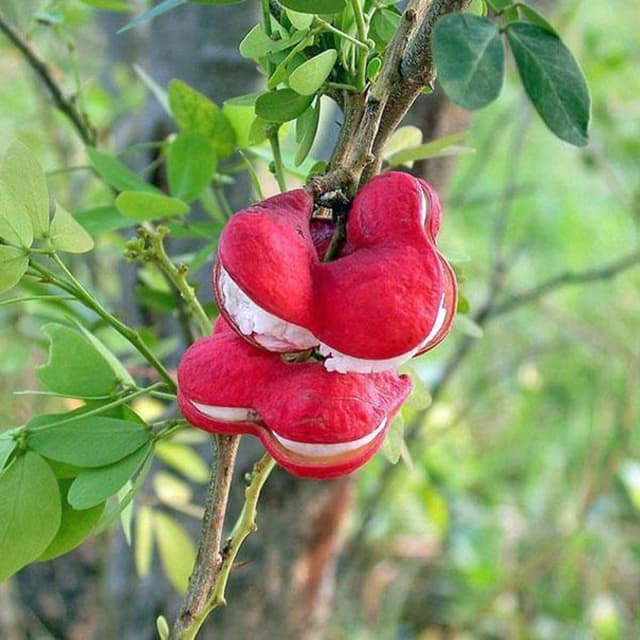
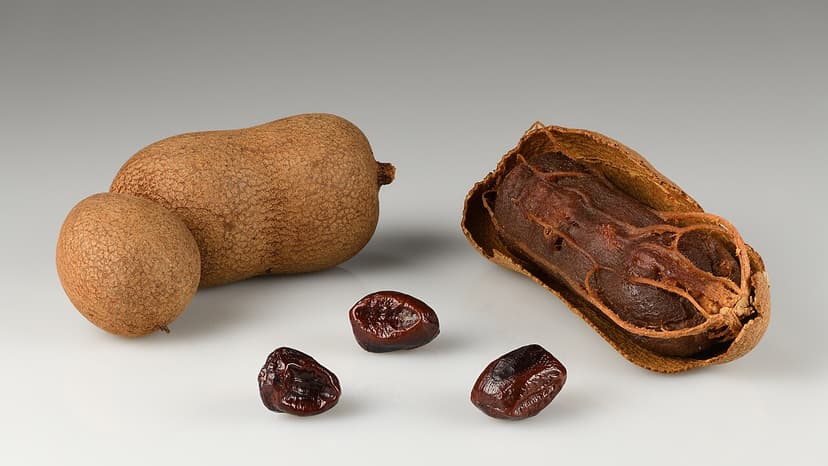
Use clean seed with all pulp washed off. Tamarind seed is orthodox: kept dry in closed, insect-proof containers it stays viable for at least 2 years. The seeds are glossy, about 1 cm long, and fresh seed typically germinates at 80-95% once treated.
Scarification

This is the key step. Tamarind has physical dormancy: the hard seed coat keeps water out, so an untreated seed can lie in moist soil for weeks without changing. Nick the coat with a file or nail clipper on the side opposite the hilum (the small scar where the seed was attached), just enough to expose the pale tissue underneath, without cutting into the embryo.

Stratification

Not needed. Tamarind is a tropical tree and needs warmth, not cold, to germinate.

Soaking

After nicking, soak the seed in water for 24 hours. Alternatively, the Tanzania Forest Service protocol pours water at 80-90 °C (176-194 °F) over unnicked seed and leaves it to soak for 12-24 hours as it cools. TNAU nurseries soak fresh seed for 24 hours in a dilute cow-dung solution (500 g in 10 litres of water) or 10% cow urine before sowing.

Tamarindus indica Seeds

Germination conditions

Germination temperature

20-30 °C (68-86 °F) with moderate humidity. In India this means sowing in the warm months: TNAU sows fresh seed in nursery beds in March-April. In cool climates, use a heated propagator or a warm windowsill.

Sowing depth

Cover with 1.5-3 cm (5/8-1 1/4 in) of loose, sandy mix. One seed per container, or 5 cm (2 in) apart in a seedbed.

Growing medium

Free-draining: a loam and sand mix, or the Tanzanian nursery mix of topsoil, well-rotted manure and rice husk in a 5:2:1 ratio. Use deep containers, such as tubes 20-25 cm (8-10 in) tall, because the seedling puts down a long taproot first.

Moisture

Water lightly once a day with a fine rose and never leave the mix soggy: damping-off is the main seedling loss in poorly drained media.

Light

Germinate and grow on under light shade, about 50% shade net or bright indirect light, until seedlings are about 35 cm (14 in) tall or 6-8 weeks old, then harden them to full sun.

Germination time

Treated seed usually sprouts in 5-15 days in warm conditions, often with about 90% success; germination is epigeal, with the seed leaves lifted above the soil. Untreated seed is slow and uneven: in one nursery protocol scarified seed took 4-5 weeks and untreated seed 7-9 weeks.

Transplanting and first growth

  1. Potting on

    Seedlings raised in trays or beds are moved into deep bags or pots about 4-6 weeks after germination. Lift with the whole root ball; space bed-grown seedlings at least 30 cm (12 in) apart so each can be lifted with soil around the roots.

  2. Planting out

    Plant out after 3-6 months in the nursery, when seedlings are about 80 cm (32 in) tall, at the start of the rains; TNAU gives June to December as the planting season and also plants two-year-old seedlings. Dig pits of 1 x 1 x 1 m (3 x 3 x 3 ft) filled with farmyard manure and topsoil, 8-10 m (26-33 ft) apart; wider, 10-20 m, for full-size trees. A seedling held over to the second rainy season must be cut back and its taproot trimmed.

  3. First growth stage

    Growth is slow. Water once a week in dry weather until established. Tamarind is a legume, so go easy on nitrogen: compost in the planting mix is enough, with a weak NPK feed after about 4 weeks if growth stalls.

Tamarindus indica Seeds

Common problems

ProblemSeeds sit in the pot for weeks and do nothing
Cause
The waterproof seed coat was not opened.
What to do
Dig the seed up; if it has not swollen, nick the coat opposite the hilum and soak it again before resowing.
ProblemSeedlings collapse at soil level
Cause
Damping-off in a wet, poorly drained mix.
What to do
Use a free-draining mix, water lightly once a day and do not let containers stand in water.
ProblemStunted seedlings with coiled or bent roots
Cause
Containers too small or shallow for the taproot.
What to do
Use deep tubes or bags and plant out within the first nursery season.
ProblemLeaves eaten on young trees
Cause
Leaf-eating caterpillars, in India especially Achaea janata.
What to do
Check young plants regularly and pick off caterpillars; TNAU uses quinalphos on orchards.
ProblemWhite powdery coating on leaves
Cause
Powdery mildew.
What to do
TNAU sprays dinocap on affected trees.

Practical growing tips

The swell test

After the soak, compare seeds with an untreated one: treated seeds that have taken up water are visibly plumper. Sow only those; nick and resoak any that are still hard and unchanged. This one check saves weeks of waiting on seeds that were never going to start.

Patience with fruit

A seedling tree is a long-term planting. TNAU reports bearing from the fourth year and economic yields from the ninth; in India seedlings have been recorded taking 10-14 years to fruit. Named varieties such as PKM 1 are multiplied by softwood grafting (March-April) rather than from seed.

Climate and site

Tamarind tolerates poor, gravelly, saline and alkaline soils and salt spray, and needs dry weather while pods develop. Very young trees must be protected from cold; older trees are much hardier. In frost-prone climates grow it in a large container under cover.

Harvest

In south India pods are harvested in March-April. Pods reach full ripeness about 8 months after fruit set and can be left on the tree for months to dry further.

Tamarind seeds from Deodar

Nick, soak and sow tamarind seed in warmth to start a long-lived shade and fruit tree.

Frequently asked questions

Why are my tamarind seeds not germinating?

The hard seed coat keeps water out. Nick it on the side opposite the hilum or treat it with hot water, soak for 12-24 hours and sow in warmth (20-30 °C); treated seed usually sprouts within about two weeks.

How long does a tamarind tree from seed take to fruit?

Several years. TNAU gives first bearing in year 4 and good yields from year 9; seedlings in India have been recorded taking 10-14 years.

Can I grow tamarind in a pot or a cold climate?

Yes, while young. Use a deep container, keep it warm and bright, and protect it from frost; young trees are cold-sensitive. Long term, tamarind becomes a large tree.

When should I plant tamarind seedlings in India?

At the start of the rains. TNAU sows seed in March-April and plants out from June to December, in 1 m pits spaced 8-10 m apart.