
Seed preparation
Inoculate the seed with the Rhizobium strain for clover just before sowing, unless it is already coated. Keep inoculated seed out of sunlight and sow it within 12 hours.
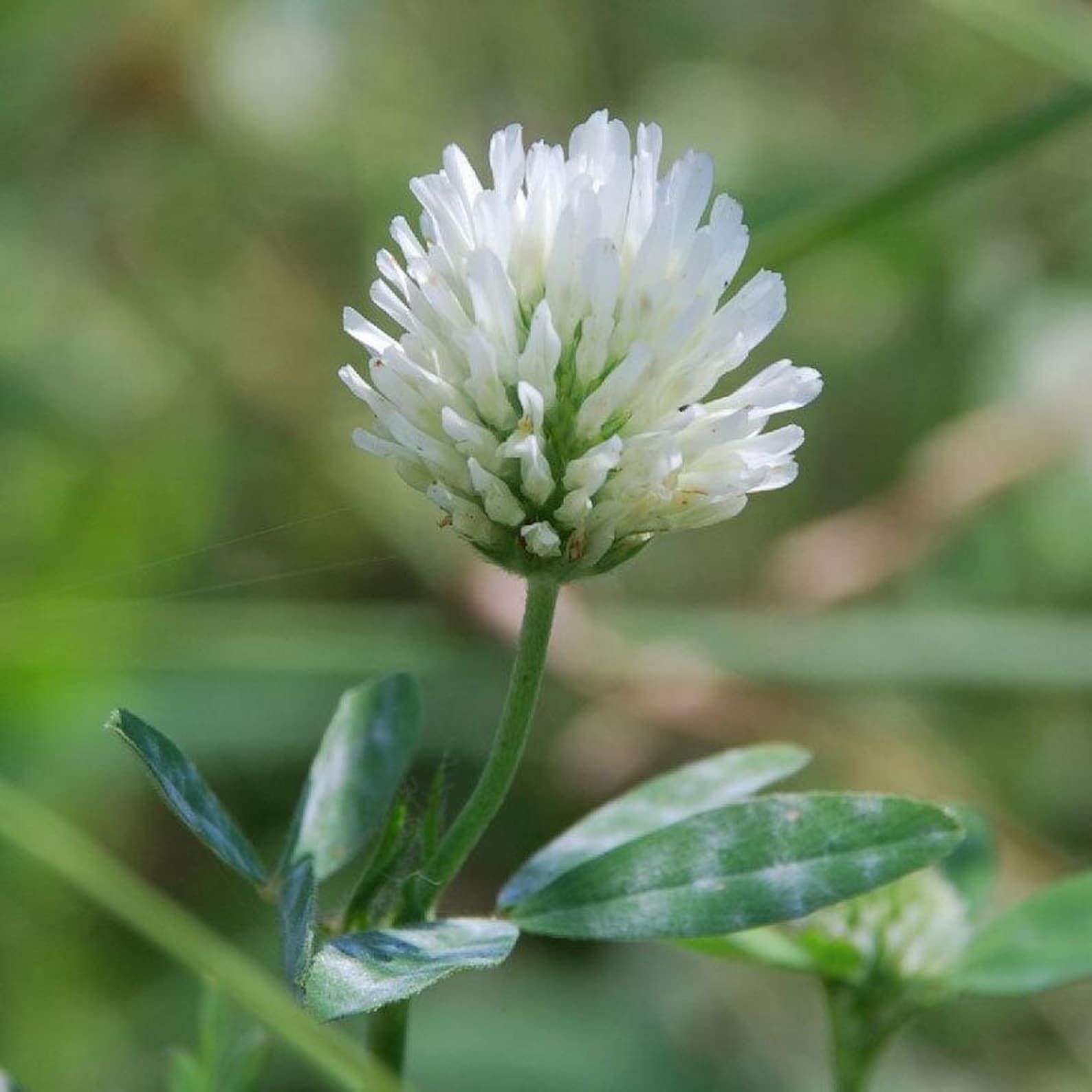
Fodder and green manure guide
Red clover is a short-lived perennial legume for hay, grazing and soil improvement that fixes its own nitrogen. Sow inoculated seed shallowly into a firm, fine seedbed and cut it between bud and early flowering.
Inoculate the seed with the Rhizobium strain for clover just before sowing, unless it is already coated. Keep inoculated seed out of sunlight and sow it within 12 hours.
Not needed. Sow commercial seed as supplied; inoculation and a good seedbed matter more.
Not needed. Red clover germinates without any cold treatment.
Not needed, and soaking would wash off or weaken the inoculant.
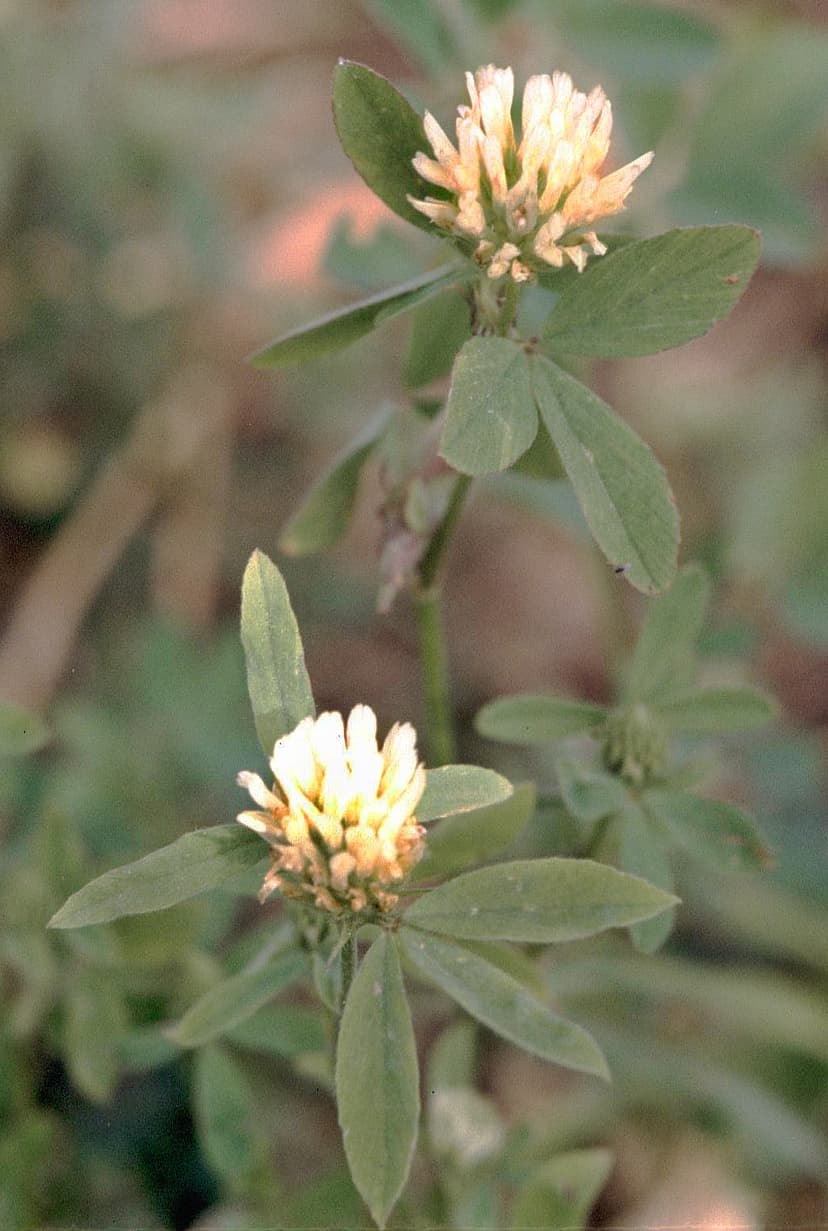
Sow when the soil is moist and the weather mild. Teagasc sows from April to July; the USDA plant guide gives early April to mid May, with late-summer sowings only under irrigation and with at least six weeks of growing season left. In cold-winter regions seed can also be broadcast on grass sod in midwinter so that freezing and thawing work it into the soil.
0.3-1 cm (1/8-3/8 in), and never deeper than 1.5 cm (5/8 in). Small clover seed sown too deep often fails to emerge.
Fertile, well-drained loam that holds moisture, pH 6.0-6.5, with adequate phosphate and potash. Red clover does poorly on light sand and gravel.
Roll the seedbed before and after sowing so the seed is in close contact with moist soil. It does best with about 635 mm (25 in) of rain a year or irrigation.
Seed is covered; seedlings tolerate partial shade, which is why red clover can be sown under a cover crop or into grass.
Sources give no fixed number of days. Check the row after one to two weeks of mild, moist weather; a patchy stand usually points to seed sown too deep or a loose, dry seedbed.
Do not transplant. For a pure stand sow about 6.7 kg/ha (6 lb/acre, USDA) to 12-15 kg/ha (Teagasc). In grass mixtures use about a quarter of that, or 7.5-15 kg/ha red clover with grass in Teagasc's silage mixes.
Let the new crop reach flowering before the first cut. This builds root reserves for the following years.
Cut every 6-8 weeks between bud and early flowering, or graze from 15-20 cm (6-8 in) down to 8-10 cm (3-4 in). Expect two hay cuts a year and a productive life of about 2-4 years.
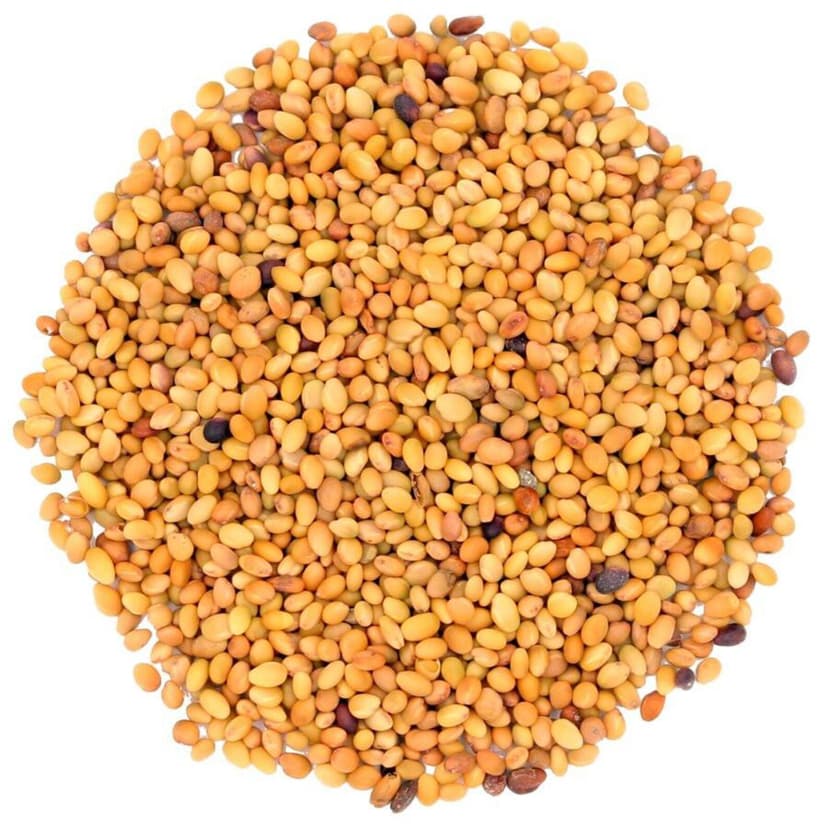
Mixing red clover with cool-season grasses improves forage, reduces bloat risk and supplies nitrogen to the grass.
Red clover is upright, about 45-75 cm (18-30 in), and used for hay and silage. White clover (Trifolium repens) is low and creeping and is grown mainly in grazed pasture; Teagasc adds up to 2.5 kg/ha of it to red clover mixes.
Red clover suits moderately cool to warm summers. In India it belongs in cool hill areas; for winter fodder on the plains, berseem clover is the usual choice.
Red clover needs insect pollination, mainly by bumble bees, to set seed, so avoid insecticides during flowering.
Sow inoculated clover shallowly into a firm seedbed for nitrogen-fixing fodder and soil improvement.
No. Red clover (Trifolium pratense) is a short-lived perennial for cooler climates. Berseem (Trifolium alexandrinum) is an annual winter fodder widely grown on the Indian plains and has its own guide.
Not when it is properly nodulated. Inoculated red clover fixes its own nitrogen; supply phosphate, potash and lime as soil tests show.
Very shallow: 0.5-1 cm (1/4-3/8 in), never more than 1.5 cm. Roll the soil after sowing to keep the seed in contact with moisture.
Between bud and early flowering, leaving 7-8 cm of stubble. In the first year, let it flower before the first cut.
