
Seed preparation
Hopbush seed has a hard, water-tight coat (physical dormancy), so much untreated seed stays dry and does not germinate. Seed keeps for many years when dry, so treat only what you sow.
Shrub growing guide
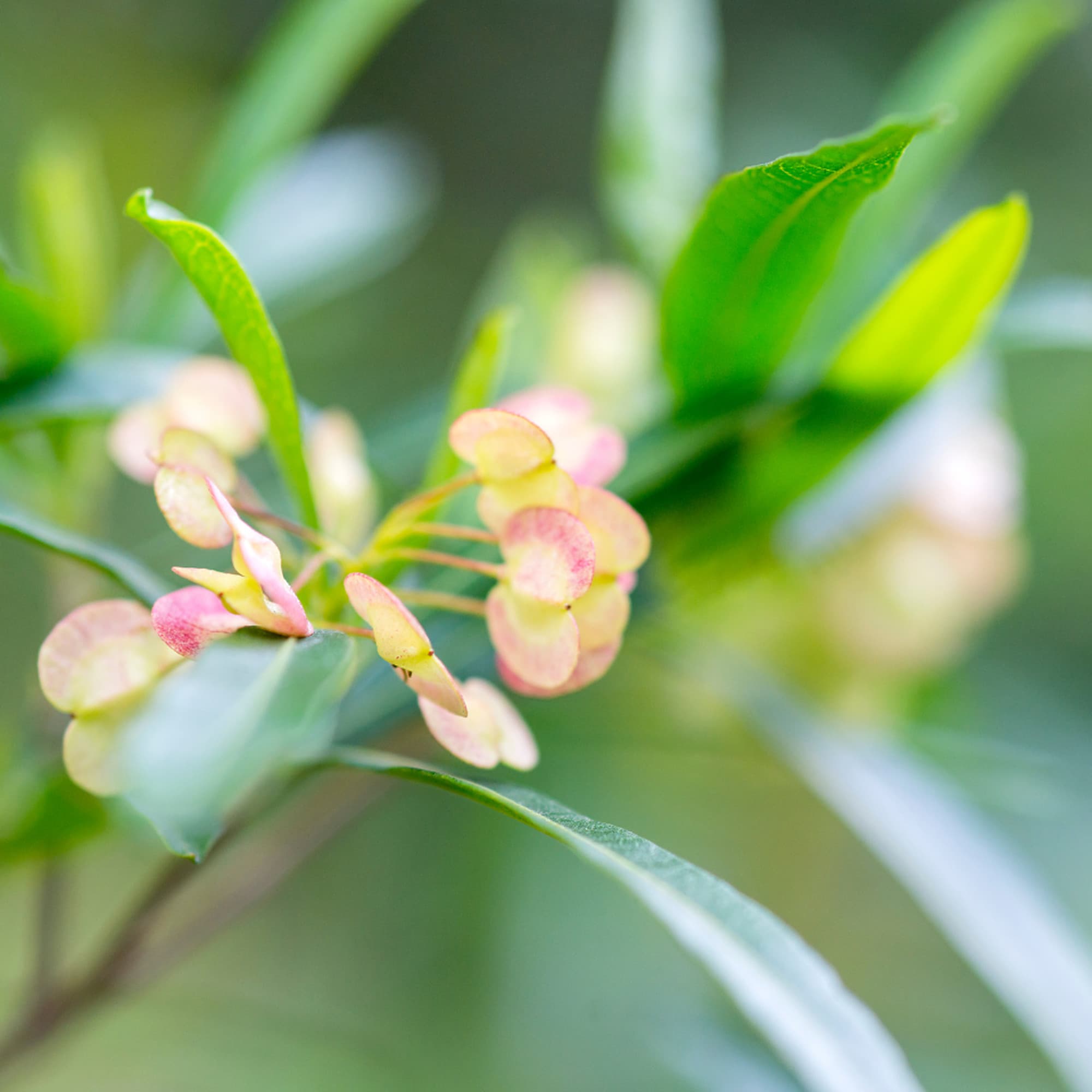
Hopbush is a tough, fast-growing evergreen shrub of the tropics and subtropics, native in India, used for hedges and dry, sunny sites. Its hard-coated seed germinates well after a short dip in very hot water.
Hopbush seed has a hard, water-tight coat (physical dormancy), so much untreated seed stays dry and does not germinate. Seed keeps for many years when dry, so treat only what you sow.
Recommended. Either dip the seed in boiling or very hot water for about 30 seconds and cool it straight away in cold water, or nick the seed coat with a blade or rub it on sandpaper. In the Hawaii study by Baskin and colleagues, boiling water for 1-60 seconds broke dormancy in a high share of seeds; nicked seed germinated faster than boiled seed.
Not needed. Hopbush has no cold requirement.
An alternative to the quick dip: pour about three parts near-boiling water over the seed, leave it to soak for 24 hours as the water cools, and discard seeds that float. A plain cold soak does not soften the coat.
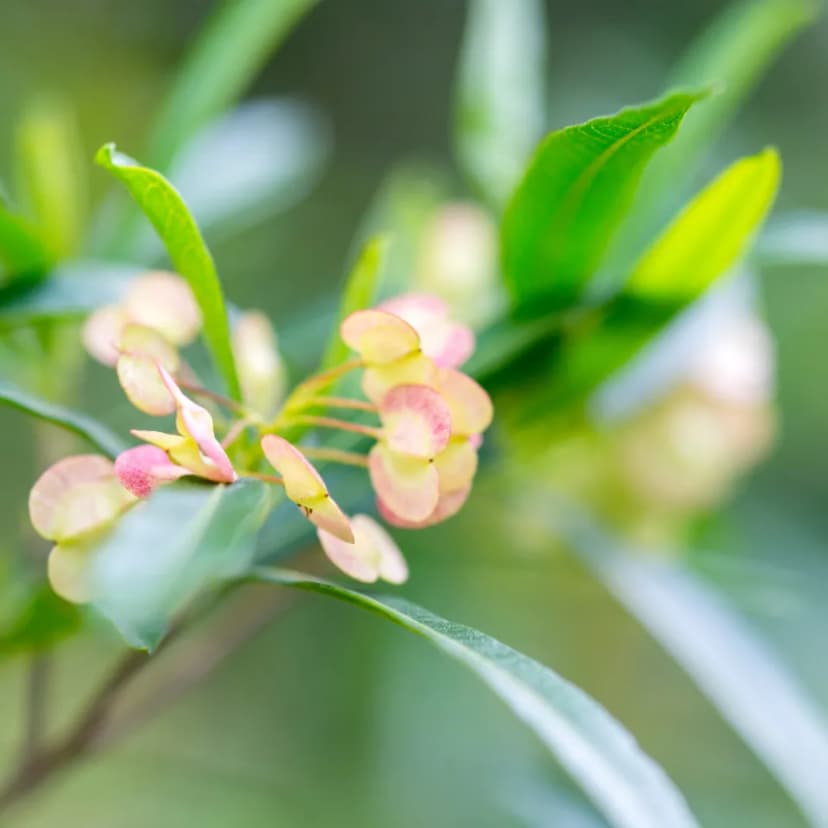
Once the coat is opened, seed germinates across a wide range of warm conditions. Sow in spring or the start of the warm season; in India, sowing so that seedlings can be planted out at the start of the monsoon gives them a full rainy season to establish.
Cover lightly with 2-4 mm (about 1/8 in) of fine mix. In the field, seed sown about 4 mm deep into lightly tilled soil came up well, while seed left on the surface did poorly.
A fine, free-draining mix such as 3 parts perlite to 1 part peat or fine potting mix. Avoid heavy, wet compost.
Keep the mix just moist, never waterlogged, until seedlings appear.
Scarified seed germinates in light or darkness. Give trays partial shade during germination, then light shade to full sun.
Usually 7-28 days; some seed lots take longer. Around half the seeds germinating is normal.
Move seedlings to individual containers at the four-leaf stage, two to six weeks after germination, and pot them on again at about 15-20 cm (6-8 in) tall.
Grow in a well-drained mix with modest feeding for three to four months, then harden off for about a month by watering a little less, without letting the pots dry out.
Plant into a sunny, well-drained site at the start of the rainy season and water until established. For a hedge, plant in a single line and trim regularly.
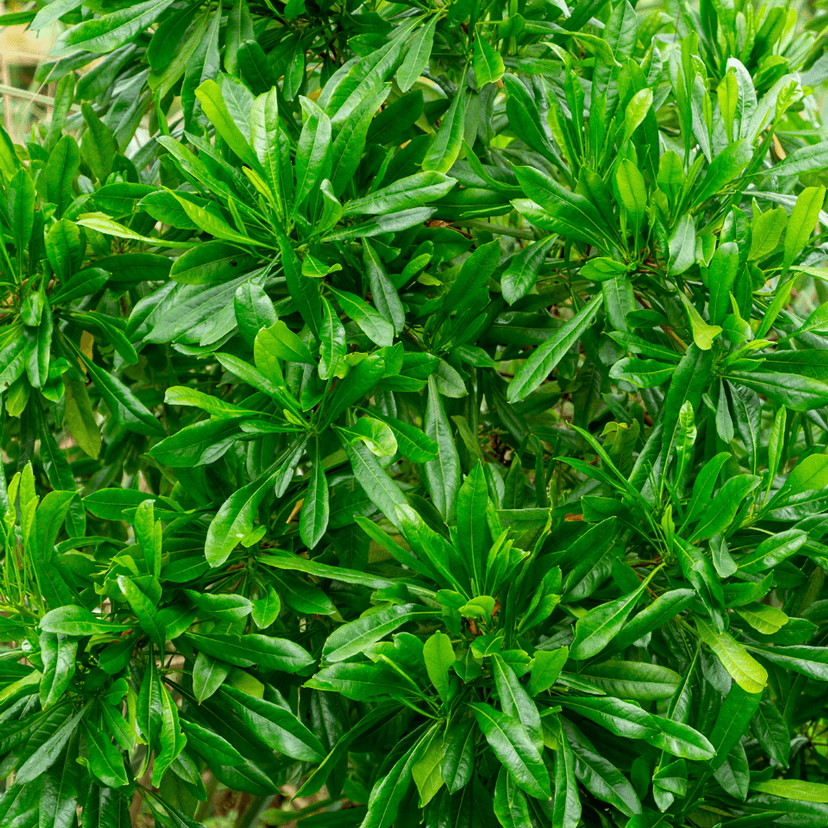
Hopbush succeeds on light, well-drained soil in hot, dry, sunny positions and needs little care once established. It is used for live fences and hedges.
Ripe capsules can drop their seed within 3-14 days, so check plants often. Dry the capsules and rub them over a screen to free the seed.
Hopbush also roots from stem cuttings, the way to multiply a favourite form such as the purple-leaved 'Purpurea'.
Trim hedges regularly to keep them dense. Plants regrow (coppice) from the base after hard cutting back.
Give hopbush seed a short hot-water dip and sow it shallowly for a tough, drought-hardy hedge shrub.
It is strongly recommended. The seed coat does not let water in, so untreated seed often sits dormant. A 30-second dip in very hot water, or nicking the coat, lets the seed take up water.
It is a shrub or small tree that can reach about 5 m, but it is easily kept lower as a clipped hedge.
Yes, once established it grows in hot, dry, sunny places on light, well-drained soil. Water young plants until their roots are established.
