Free EMS courier delivery across India
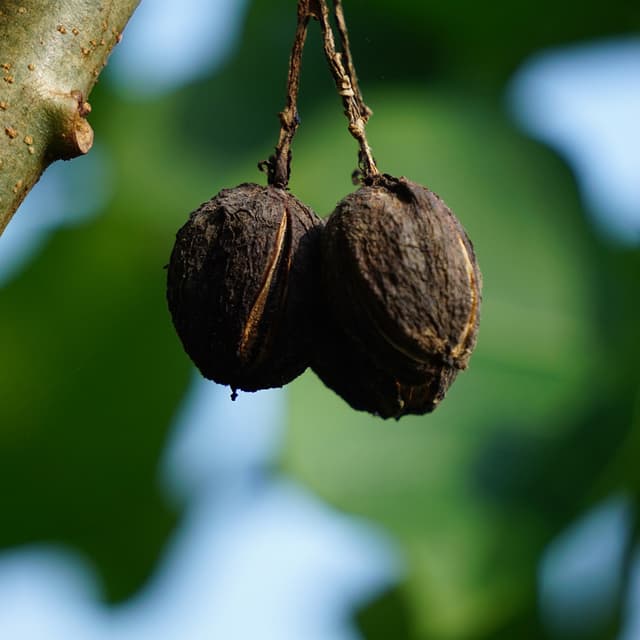
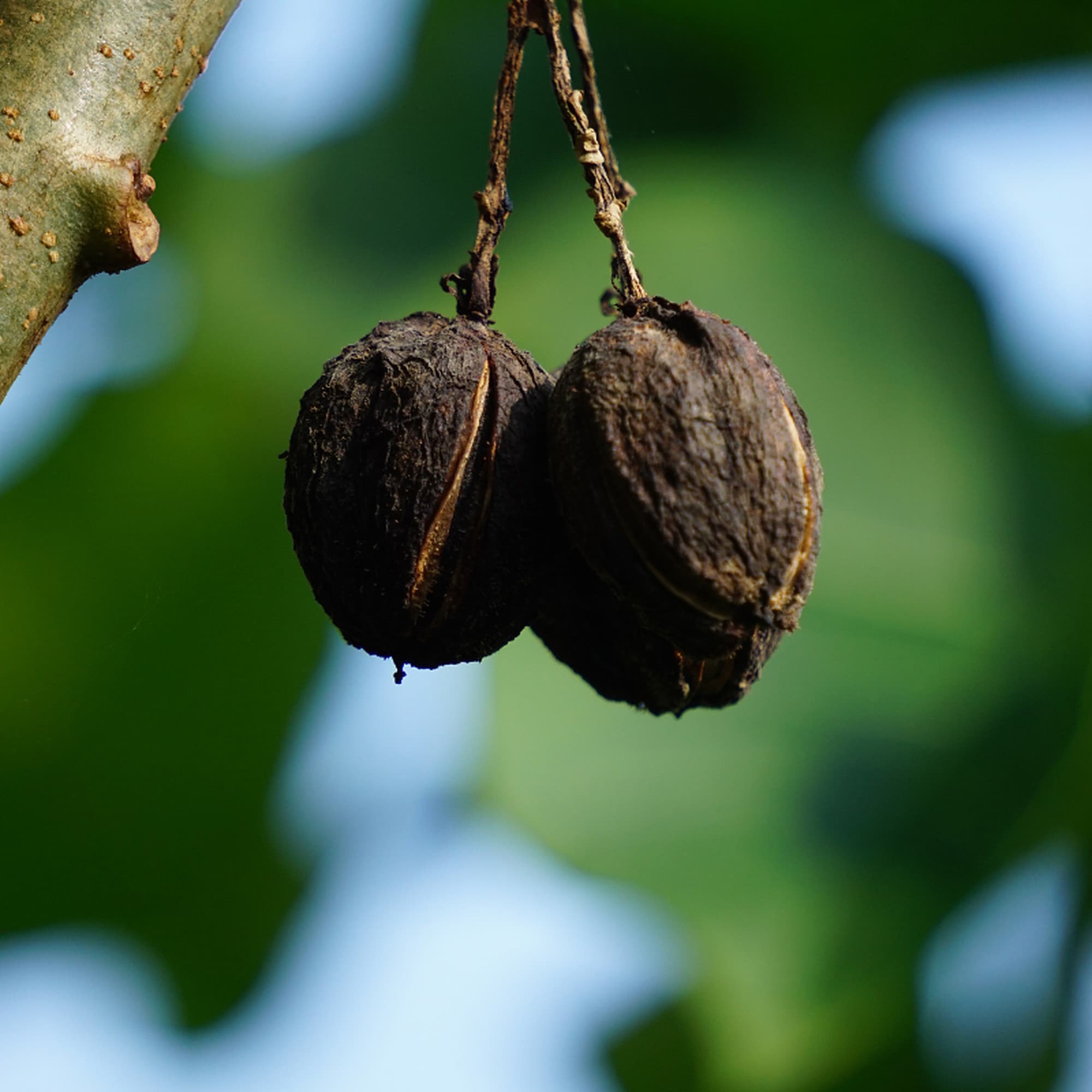
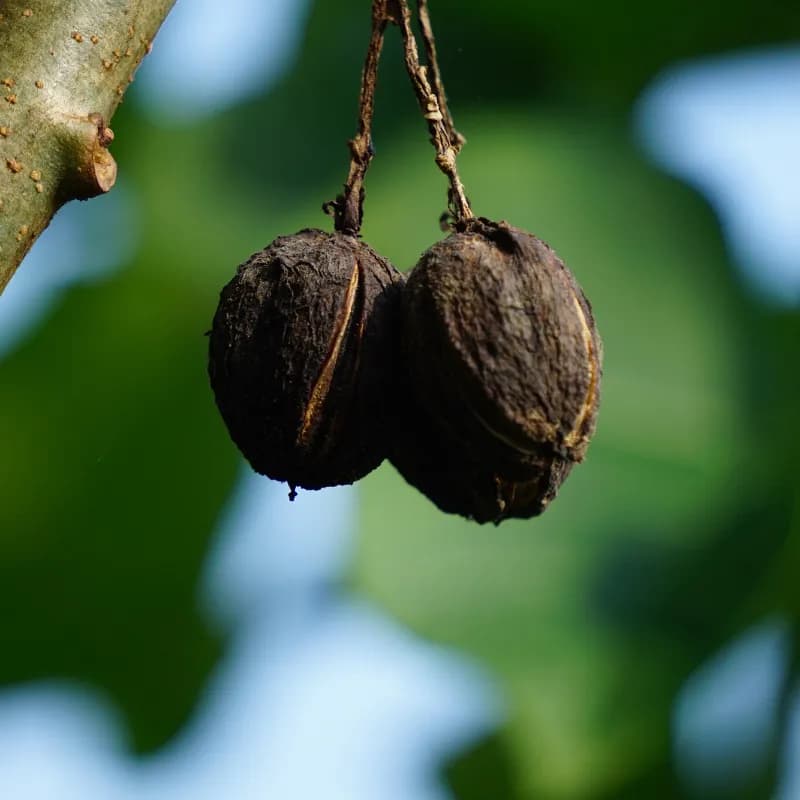
Physic nut, Barbados nut, Poison nut Seeds plant

Tree growing guide

How to grow physic nut from seedJatropha curcas

Physic nut is a tough, drought-tolerant shrub or small tree used for living fences and oil-seed plantations, and it grows readily from seed in warm climates. Its seeds are poisonous, so this guide starts with safe handling before covering soaking, sowing depth, nursery time and pruning.

≈ 20-28 °C
Germination temp.
6-15 days
Germination
2-4 cm
Sowing depth
Full sun
Light

At a glance

Germination temperature
Warm; the plant grows best at about 20-28 °C (68-82 °F) and is frost-tender.
Sowing depth
2-4 cm (0.8-1.6 in) in nursery bags; 4-6 cm (1.6-2.4 in) when sown directly in the field.
Germination time
6-15 days if kept well watered.
Light
Full sun.
Pre-treatment
Soak for 12 hours before sowing.
Transplant or direct sow
Nursery seedlings establish far better than direct sowing; plant out after 2-3 months at 30-40 cm (12-16 in).

Seed preparation

Safety first

Jatropha seeds are poisonous. The World Agroforestry database warns that the kernel is toxic and that eating seeds causes severe vomiting and purging; larger amounts can be dangerous. Never eat the seeds, store them out of reach of children and animals, wash your hands after handling them, and do not use them as toy beads. If anyone swallows seeds, seek medical help immediately.
Seed preparation

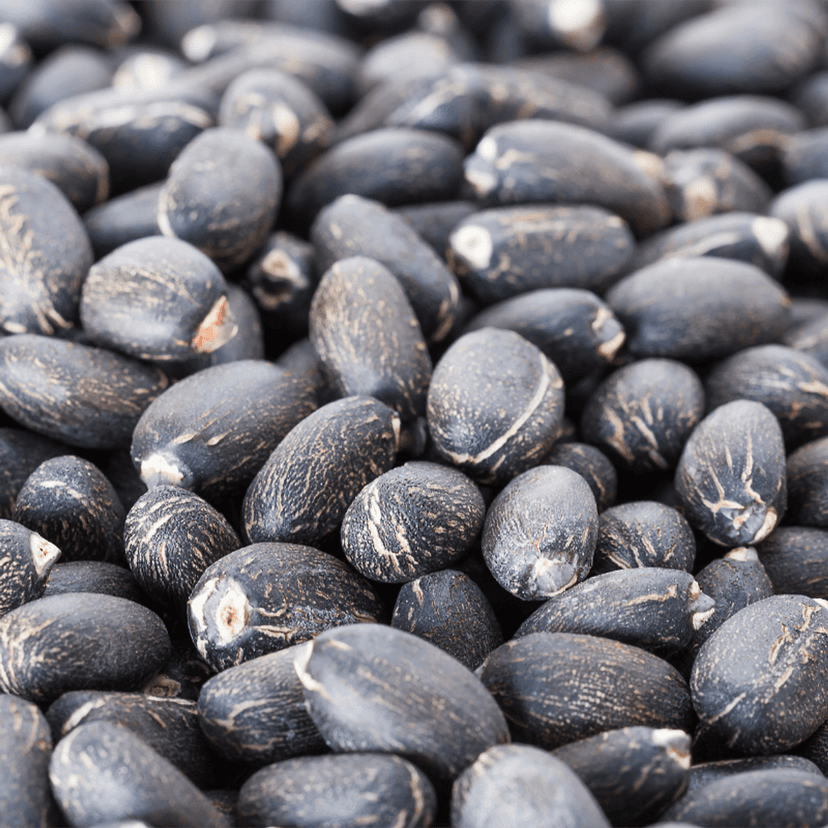
Choose large, plump seeds. FAO advises putting seed in water and discarding any that float. Freshly harvested seed can be dormant: World Agroforestry reports high viability but low germination shortly after harvest, and FAO uses seed dried and stored for at least a month for direct sowing.

Scarification

Optional. Nicking or softening the seed coat improves germination, but a simple soak works as well or better: in FAO trials nicking or a cold-water soak gave about 72% germination.

Stratification

Not needed. Jatropha is a tropical plant with no cold requirement.

Soaking

Recommended. TNAU soaks seed for 12 hours in water or cow dung solution. In FAO trials a 12-hour soak in cow dung slurry gave about 96% germination.

Physic nut, Barbados nut, Poison nut Seeds

Germination conditions

Germination temperature

Sow in warm weather. No exact germination temperature is published, but the species grows best at mean temperatures of 20-28 °C (68-82 °F) and tolerates only slight frost. In India, FAO's timing (sowing about three months before the rains) means a nursery in the hot pre-monsoon months.

Sowing depth

One seed per bag, 2-4 cm (0.8-1.6 in) deep with the small caruncle (the pale bump at one end) facing down (FAO). In the field sow two seeds per spot 4-6 cm (1.6-2.4 in) deep and thin to one.

Growing medium

TNAU fills 10 x 20 cm polybags with red soil, sand and farmyard manure 2:1:1. Avoid heavy soils, which restrict root formation.

Moisture

Keep evenly moist until emergence, but do not let water stand: damping-off in nurseries is linked to poorly drained soil and poor ventilation (TNAU).

Light

Germination does not need light. Grow seedlings in full sun with good air movement.

Germination time

FAO gives 6-15 days in well-watered conditions; in TNAU's raised nursery beds germination starts around day 3.

Transplanting and first growth

  1. Transplanting

    Plant out after two to three months, when seedlings are 30-40 cm (12-16 in) tall and before the taproot is cramped in the bag (FAO). Plant at the start of the rains into holes 30-45 cm (12-18 in) wide and deep, spaced 2 x 2 m to 3 x 3 m (6.5-10 ft) apart; wider spacing gives more yield per plant.

  2. First growth stage

    Keep the young plants weeded; seedlings compete poorly with weeds. TNAU makes the first pruning at 6-8 months, cutting back to 45 cm (18 in), and keeps pruning for three years to build a bushy frame.

Physic nut, Barbados nut, Poison nut Seeds

Common problems

ProblemPoor germination of fresh seed
Cause
Dormancy shortly after harvest.
What to do
Dry fresh seed and keep it for a few weeks before sowing, then soak for 12 hours.
ProblemSeedlings collapse at soil level
Cause
Damping-off, favoured by crowded sowing, wet soil and poor ventilation.
What to do
Sow one seed per bag in free-draining mix and water only as needed.
ProblemYoung seedlings eaten off
Cause
Millipedes (which can destroy whole batches of seedlings) or termites.
What to do
Raise seedlings off the ground on a clean surface and keep the nursery free of rotting debris.
ProblemFlowers fall and fruits are deformed
Cause
Shield-backed bugs feeding on flowers and young fruit.
What to do
Check plants during flowering and remove the bugs early.
ProblemYellow mosaic or curled leaves
Cause
Jatropha can host cassava viruses.
What to do
Remove badly affected plants and do not take cuttings from them.

Practical growing tips

Use it as a living fence

Animals avoid the toxic foliage, which makes physic nut a classic hedge. Cuttings planted directly in the line root easily, but seedlings form a deeper taproot.

Expect fruit in the second year

Nursery-raised plants first bear after their first rainy season, direct-sown plants after the second, and full productivity comes at about three years (World Agroforestry).

Water sparingly

Jatropha is very drought tolerant. TNAU gives a life irrigation on day 3 after planting and then every 20-25 days in dry weather.

Check local rules

Physic nut spreads easily and is restricted as a weed in some countries, so check local regulations before planting outside its existing range.

Physic nut seeds from Deodar

Raise physic nut in bags for a tough, drought-tolerant hedge; the seeds are not edible.

Frequently asked questions

Are Jatropha seeds poisonous?

Yes. The seeds and oil are toxic; eating them causes severe vomiting and diarrhoea and larger amounts can be dangerous. Keep seeds away from children and livestock and wash your hands after handling.

Should I soak jatropha seeds?

Yes. A 12-hour soak in water or cow dung slurry is standard; FAO trials reached about 96% germination with the slurry soak.

Why did my fresh seeds not germinate?

Freshly harvested jatropha seed can be dormant. Let it dry for a few weeks first. Seed also loses viability with age: World Agroforestry reports below 50% viability after 15 months.