Free EMS courier delivery across India
Ficus religiosa Peepal Tree Seeds plant

Tree growing guide

How to grow peepal and banyan from seedFicus religiosa and Ficus benghalensis

Peepal and banyan seed is dust-fine and needs light, warmth and very gentle watering. Sow it on the surface of a sandy tray, keep it barely moist and move the tiny seedlings on in small groups.

≈ 24-28 °C
Germination temp.

At a glance

Germination temperature
Warm, about 24-28 °C (75-82 °F).
Sowing depth
Surface sow; do not cover.
Germination time
First seeds sprout within about two weeks in warm conditions.
Light
Light helps germination; give bright light without scorching sun.
Pre-treatment
Clean the seed from ripe figs; a brief hot-water soak may help.
Transplant or direct sow
Sow in trays, move seedlings in clumps, then prick out.

Seed preparation

Seed preparation

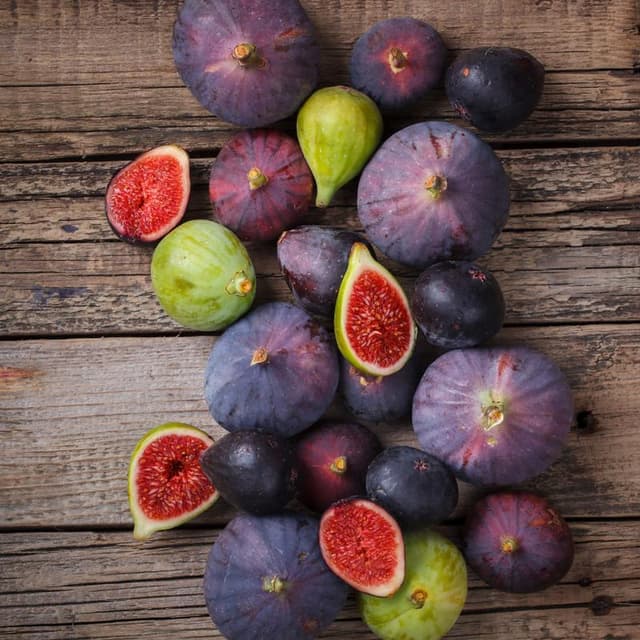
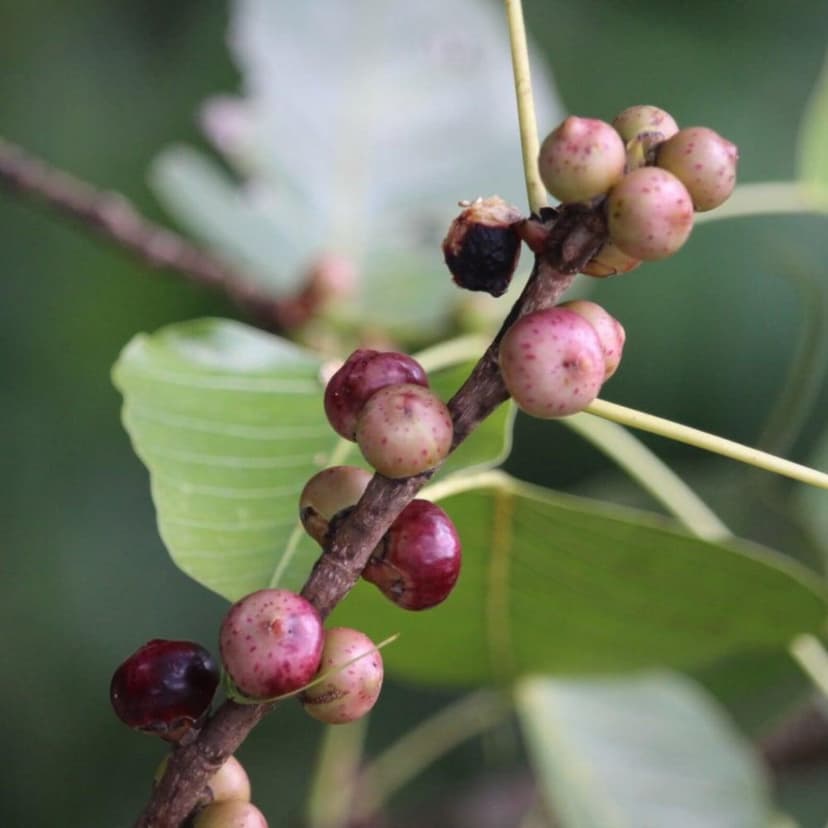
Use seed from moderately ripe, brownish-yellow figs, which gave the best germination in Indian trials. Rub the pulp off in water, wash the seed clean, sun-dry it and store it airtight. Banyan seed stays viable for about two years at room temperature. Each species sets seed only where its own fig wasp lives, so seed from trees grown far outside their range is often empty.
Scarification

Not needed. The seed is tiny and thin-coated.

Stratification

Not needed. Peepal and banyan are tropical trees and need no cold period.

Soaking

Optional. An Indian Forester study of four Ficus species found the highest germination after a 10-minute soak in hot water (60 °C, 140 °F). Drain the seed and mix it with dry sand for sowing.

Ficus religiosa Peepal Tree Seeds

Germination conditions

Germination temperature

Keep the tray warm, about 24-28 °C (75-82 °F); peepal seed germinated well at 26 °C (79 °F) in a laboratory study. In India banyan figs ripen mainly from March to May, a warm time to sow; elsewhere use a warm windowsill or heat mat.

Sowing depth

Mix the seed with fine sand, powdered brick or charcoal so it spreads thinly, scatter it on the surface and press it in lightly. Do not cover it with soil.

Growing medium

A tray of finely sifted soil with a large proportion of sand, as used in Indian forestry nurseries. A lean mix is better than a rich one: in the laboratory study, a dilute nutrient medium gave much better germination than a full-strength one.

Moisture

Water frequently but sparingly with a fine spray or mist. Cover the tray with clear plastic or glass to hold humidity, and never let water stand on the surface.

Light

Give bright, indirect light. Peepal seed germinated better in light (about 68%) than in the dark (about 56%).

Germination time

In warm, light conditions the first seeds sprout within about two weeks; others follow over the next weeks.

Transplanting and first growth

  1. Move seedlings in clumps

    The seedlings are too delicate to handle singly at first. Lift them in small bunches with soil attached and replant them, then shade them for the first week.

  2. Prick out

    When the young plants have grown longer roots, separate them and pot each one with its ball of earth into a polythene bag or root trainer. Shade again for a week after this move.

  3. First growth stage

    Grow on in bright light once established, water carefully, and protect young trees from livestock and fire when planted out.

Ficus religiosa Peepal Tree Seeds

Common problems

ProblemNo germination at all
Cause
Seed from figs that were never pollinated by the right wasp, or seed buried too deep.
What to do
Use seed from ripe figs of trees in the species' native range, and surface sow in light.
ProblemSeedlings collapse in the tray
Cause
Overwatering or heavy watering that washes tiny seedlings out.
What to do
Mist or water from below, a little and often, and use a sandy, free-draining mix.
ProblemMany seedlings die after transplanting
Cause
Handling single seedlings and exposing them to sun.
What to do
Move them in clumps, keep root balls intact and shade for a week after each move.
ProblemSeedlings sprouting in walls or roof gutters
Cause
Birds spread the seed, and Ficus seedlings root in cracks.
What to do
Pull them out while small; banyan roots can damage concrete and masonry.

Practical growing tips

Choose the site for a giant

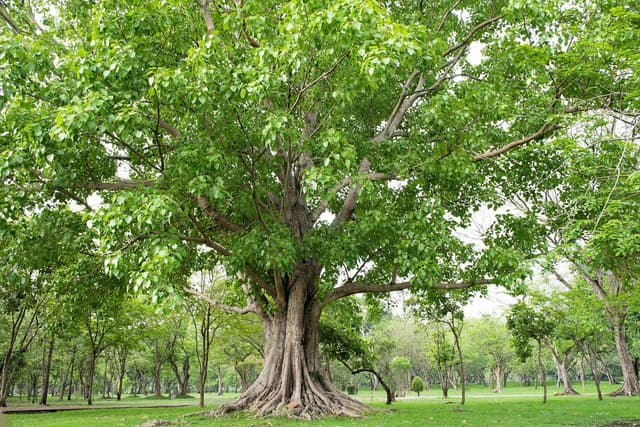
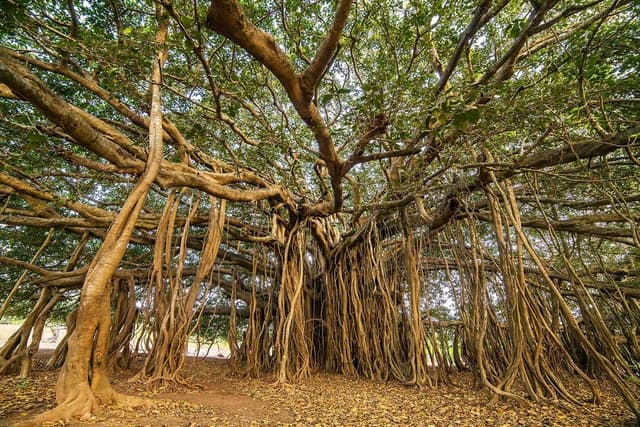
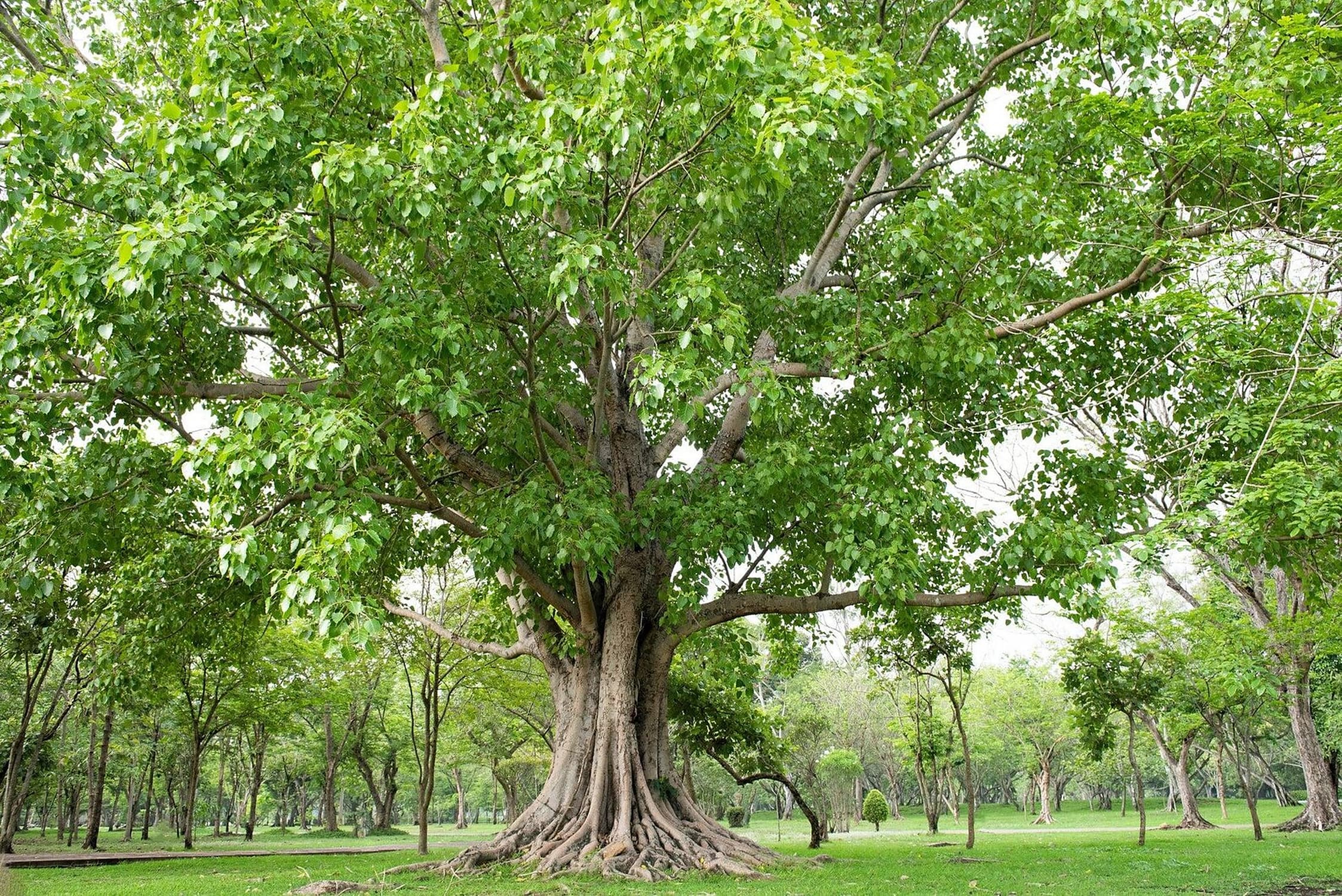
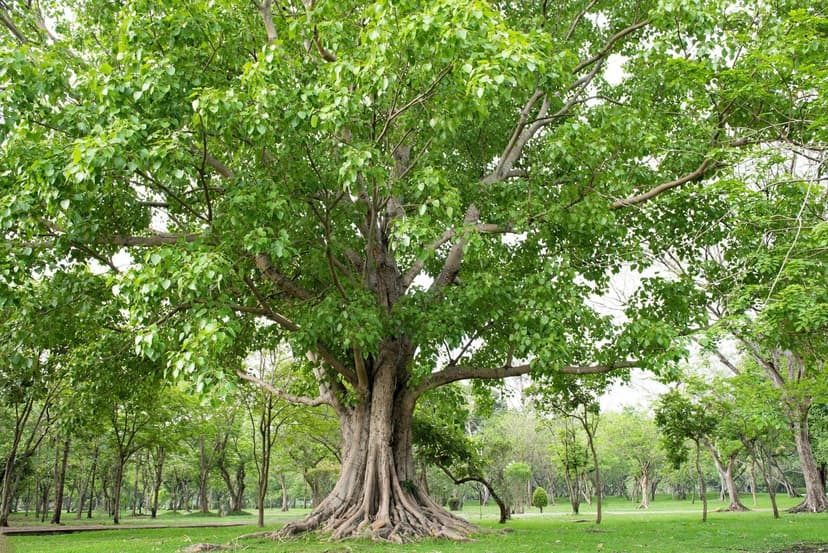
Peepal reaches about 20 m with wide branches; banyan exceeds 30 m and spreads by aerial roots that become new trunks. Plant both well away from buildings, walls, paving and drains.

Climate

Peepal grows up to about 1,500 m altitude with mean annual temperatures of 16-35 °C and 500-5,000 mm of rain. Banyan needs warmth, ideally above 23 °C, and is not frost-hardy; in cold climates grow either as a container plant or bonsai under glass.

Faster plants from cuttings

Banyan also roots from large cuttings; Indian forestry nurseries plant stakes of 2.5-3 m (8-10 ft) directly in the field and water them well.

Good for bonsai

Banyan roots so readily that it is used for air-root and root-over-rock bonsai styles; seedlings are an inexpensive way to start one.

Ficus seeds from Deodar

Sow peepal and banyan seed on the surface of a warm, sandy tray for your own sacred fig trees.

Frequently asked questions

Should I cover peepal or banyan seed with soil?

No. The seed is dust-fine and germinates better in light. Mix it with fine sand, scatter it on the surface and press it in lightly.

Why did my Ficus seeds not germinate?

Most often the tray was too cold, too wet or the seed was buried. Seed from trees growing without their pollinating fig wasp can also be empty.

Can I grow a banyan or peepal near my house?

Only as a pot plant or bonsai. In the ground both become very large trees, and banyan roots can damage walls and concrete.